Gadar History Project: Documenting the Revolutionary Movement

A new archival initiative traces the global history of the Gadar movement, recovering letters, newspapers and trial records that revealed how South Asian migrants fought imperial power from the Pacific coast.
The Gadar History Project draws inspiration from two pioneering Punjabi Sikh community historians: Jane Singh of UC Berkeley and Tejinder (Ted) Singh Sibia of UC Davis. Both devoted their lives to documenting the stories of the Gadar Party and the early South Asian migrants who shaped the Pacific Coast.

In November 1982, Jane Singh launched the original “Gadar Project” as a joint effort between the Oakland Public Library and UC Berkeley’s Center for South and Southeast Asia Studies (CSSEAS). She issued a public call for old newspapers, photographs, family memorabilia, and written or oral recollections from South Asians who lived in the United States during the early 20th century.
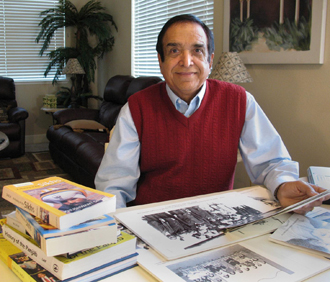
Similarly, in 1996, Ted Sibia began building what became the “Sikh Pioneers” archive, preserving rare documents, photographs, and community histories that would otherwise have been lost.
We are equally committed to producing accessible digital content that communicates these findings to diverse audiences. Our goal is to present a complete, evidence‑based, and honest account of Gadar Party history—grounded in archival research and free from mythmaking.